
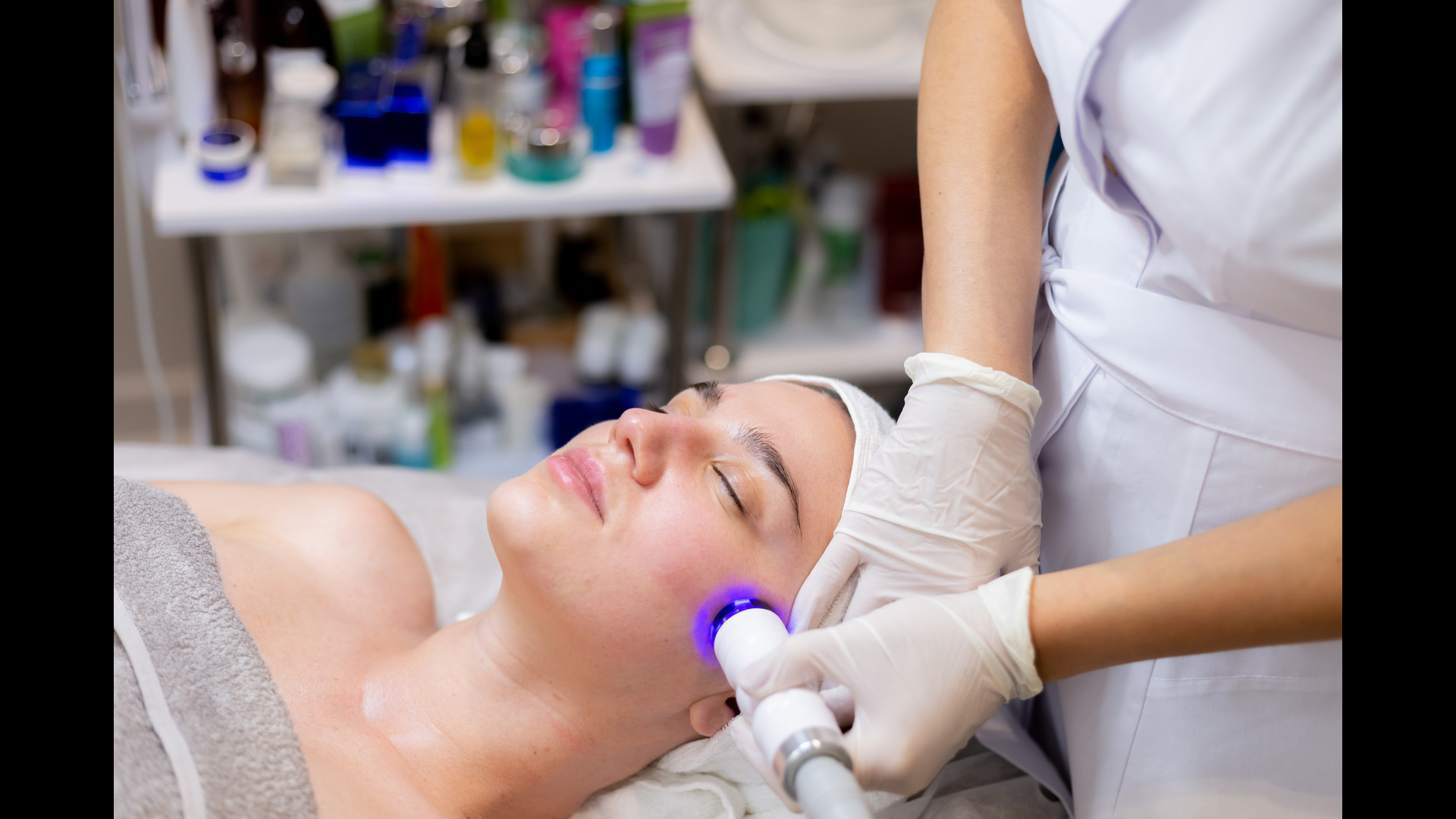
Acne scars and rough, uneven skin can linger long after breakouts clear, and creams or serums alone rarely fix the more serious damage. If you have tried topical products with little success, you are not alone in searching for something more effective.
MNRF Treatment (Microneedling Radiofrequency) has become one of the most trusted options for reducing stubborn acne scars, minimising enlarged pores, and restoring smoother skin texture. By combining fine microneedles with controlled radiofrequency energy, it works beneath the surface where most creams cannot reach, encouraging the skin to rebuild itself naturally.
What Is MNRF Treatment and How Does It Work?
MNRF stands for Micro-Needle Radio Frequency, a skin resurfacing procedure that pairs traditional microneedling with radiofrequency energy delivered through the needle tips. As the needles create controlled micro-injuries in the deeper layers of
skin, the RF energy heats the tissue, triggering the body’s natural collagen and elastin production.
This dual action is what sets it apart from standard microneedling. The heat reaches the dermis without damaging the surface layer, which means scar tissue is remodelled from within while the outer skin heals quickly. Most people notice smoother, firmer skin within a few weeks as new collagen forms.
MNRF Treatment in Calicut: What to Expect During Your Session
For those exploring MNRF treatment in Calicut, the process typically begins with a skin assessment to determine scar depth, skin type, and treatment goals. A numbing cream is applied beforehand, so most patients describe the sensation as mild pressure rather than pain.
The procedure itself takes 30 to 45 minutes, followed by mild redness that settles within a day or two. Clinics in Calicut generally recommend a series of 3 to 6 sessions spaced four to six weeks apart, depending on scar severity and how the skin responds between sittings.
Why Do Dermatologists Recommend MNRF for Acne Scars?
Dermatologists favour MNRF because it treats the root cause of scarring rather than just the surface. Unlike chemical peels that primarily affect the top skin layer, radiofrequency energy reaches the deeper dermis where collagen depletion actually occurs.
Consulting the best dermatologist in Calicut before starting treatment matters because scar type, skin tone, and medical history all influence the settings used. An experienced practitioner can adjust needle depth and RF intensity to suit individual skin, reducing the risk of complications while maximising results.
What Are the Common Misconceptions About This Treatment?
A frequent misconception is that MNRF gives instant results. In reality, collagen remodelling is a gradual process, and visible improvement usually builds over two to three months as new collagen matures.
Another myth is that the treatment is only for severe scarring. It is equally effective for mild texture irregularities, enlarged pores, and early signs of skin laxity, making it a versatile option rather than a last resort.
When Should You Consider This Treatment for Your Skin?
It is worth considering once active acne has been brought under control, since treating inflamed breakouts can irritate the skin further. Ideal candidates include those with pitted or boxcar scars, uneven texture, or enlarged pores that have not responded to topical treatments.
Skin should also be free of active infections or severe eczema flare-ups at the time of treatment. A dermatologist consultation helps confirm the right timing based on your skin’s current condition.
Expert Tips for Better Results
• Space sessions as advised, usually four to six weeks apart, to allow full collagen turnover between treatments.
• Avoid sun exposure and always apply SPF 30 or higher in the days following each session.
• Skip retinoids and exfoliating acids for at least 48 to 72 hours before and after treatment.
• Keep skin hydrated with a gentle, fragrance-free moisturiser to support the healing process.
• Stay consistent with the full recommended course rather than stopping after one or two sessions.
• Choose a certified clinic with experienced practitioners to ensure correct needle depth and RF calibration.
MNRF treatment offers a science-backed way to reduce acne scars and improve overall skin texture by working at the collagen level rather than just the surface. With realistic expectations, proper aftercare, and guidance from an experienced dermatologist, most people see steady, natural-looking improvement over a few months. If persistent scarring or uneven texture has been holding back your confidence, a consultation is the best first step toward smoother, healthier skin.
Frequently Asked Questions
Why does MNRF work better than regular microneedling for acne scars?
It combines radiofrequency heat with microneedling, reaching deeper skin layers to stimulate more collagen than needling alone.
What is the average recovery time after a session?
Most people experience mild redness for 24 to 48 hours before returning to their normal routine.
When will I start seeing visible results?
Initial improvement often appears within three to four weeks, with fuller results developing over two to three months.
Is this treatment suitable for all skin types?
Yes, it is generally safe for most skin types, though a dermatologist should confirm suitability based on individual skin conditions.